Loud a song of praise sincere, Wesleyan, we love thee.
Wesleyan Hymn, Lowell Anderson, 1908
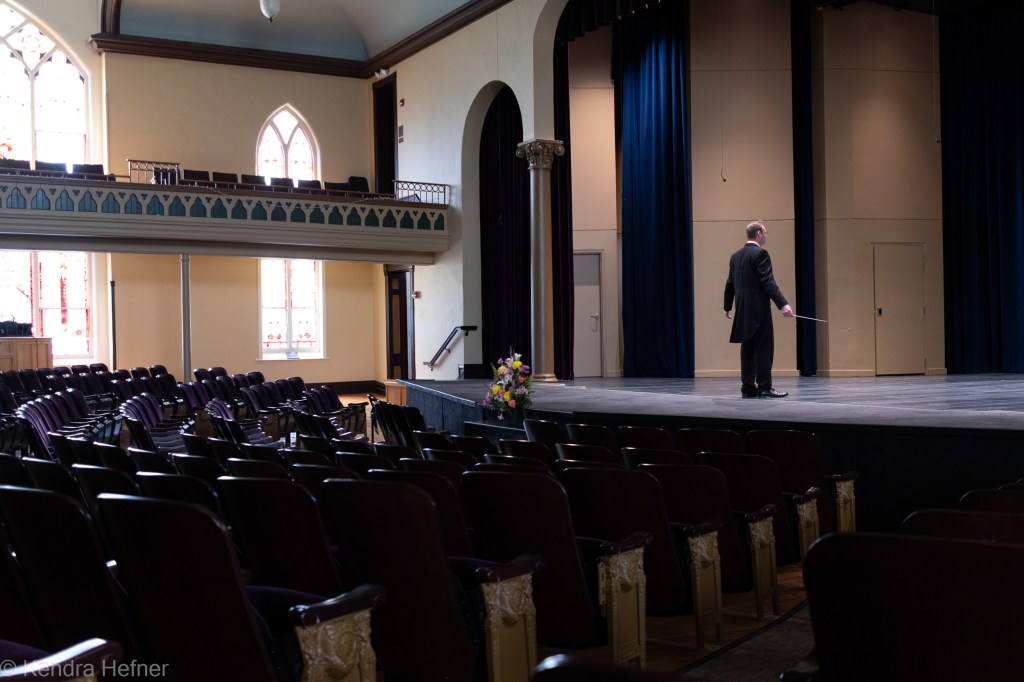
On Tuesday, March 28, 2023, at 7:17 AM, the entire Iowa Wesleyan University (IW) campus received an email asking them to attend a mandatory meeting; 8:30 for faculty and staff, 9:30 for students. Classes and athletic practices were canceled for the morning. My student intern and I were meant to go on the local radio station that morning to talk about the Humanities program, her as a current student and myself as a graduate and adjunct professor. My boss told me to cancel, the meeting was mandatory.
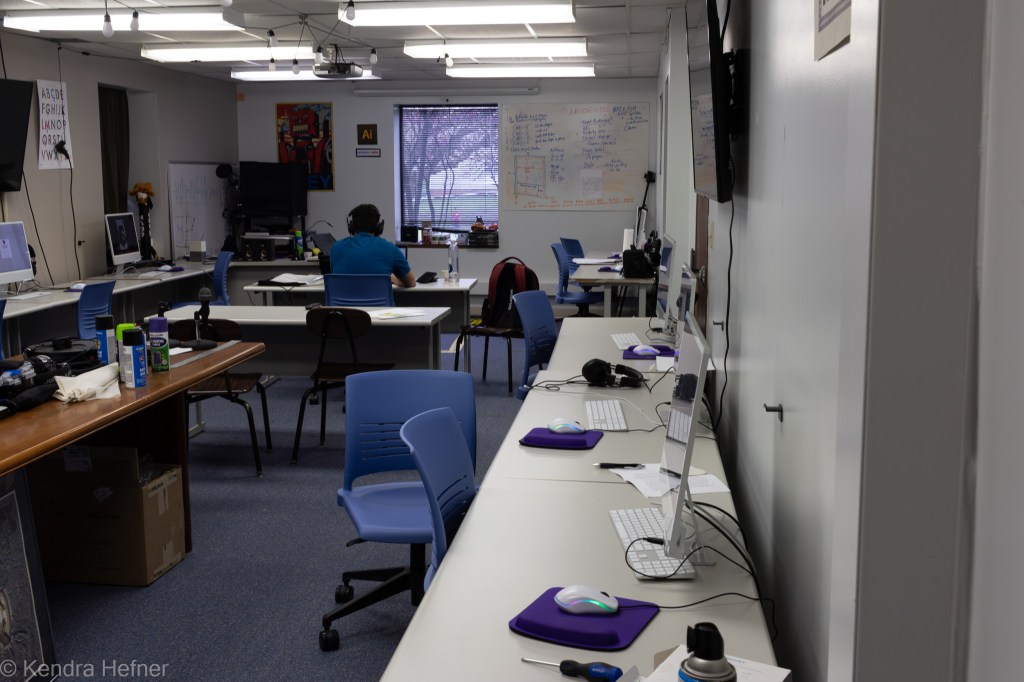
I think we all expected what came out of Robert Miller’s mouth as he announced the closure of IW. With the suddenness of the meeting, the police standing around the room prepared to keep the situation calm; even for those of us in denial, the aura of the room as the board members and the cabinet walked in, single file, was enough to tell us before the words came out.
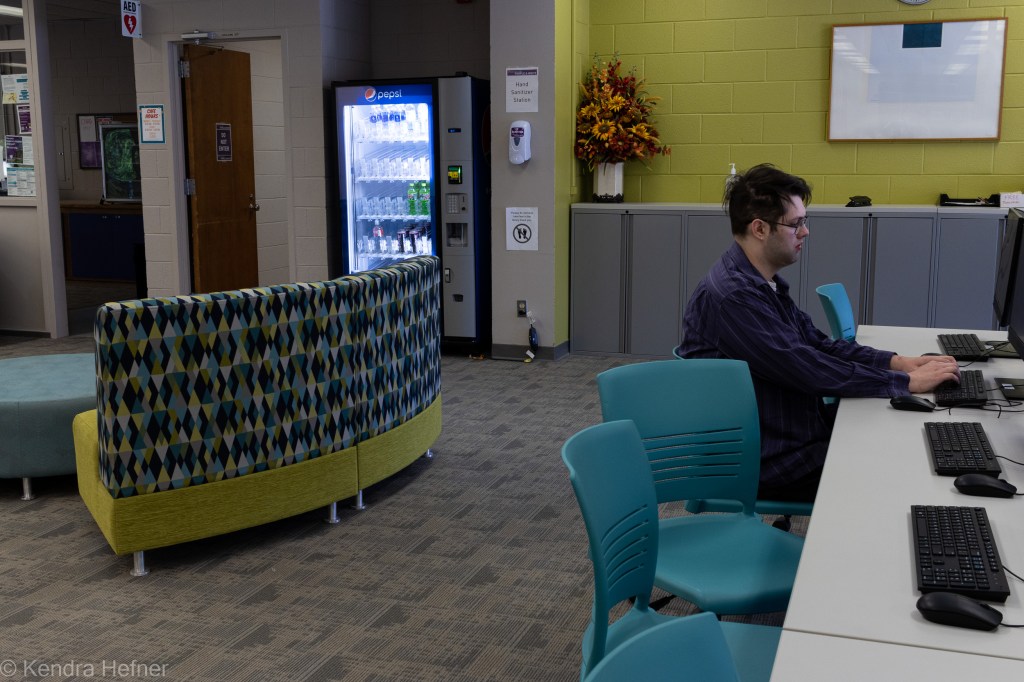
Though it was expected in the moment, the announcement of IW’s closure still came as a shock; as the oldest four-year educational institution west of the Mississippi River, predating even the state of Iowa, IW had experienced financial hardships numerous times (faculty have often likened the university to a family that lived paycheck-to-paycheck) and always arrived on the other side. For some historical context: IW graduated the first female to pass the Bar exam, Arabella Babb Mansfield; Clement Isong, former Governor of the Central Bank of Nigeria, his face is on the 1,000 Naira note; James Van Allen, who discovered the radiation belts; Peggy Whitson, the first female to command the international space station along with several other significant accomplishments with NASA; among many others. James Harlan, Secretary of the Interior and close friend to U.S. President Lincoln, served as the University President in the early decades of IW’s history (and was the reason we became “Iowa Wesleyan,” as the school was originally the Mt. Pleasant Literary Institute); his family resided in the yellow house on the corner of campus, including Robert Todd Lincoln who married Mary Harlan.
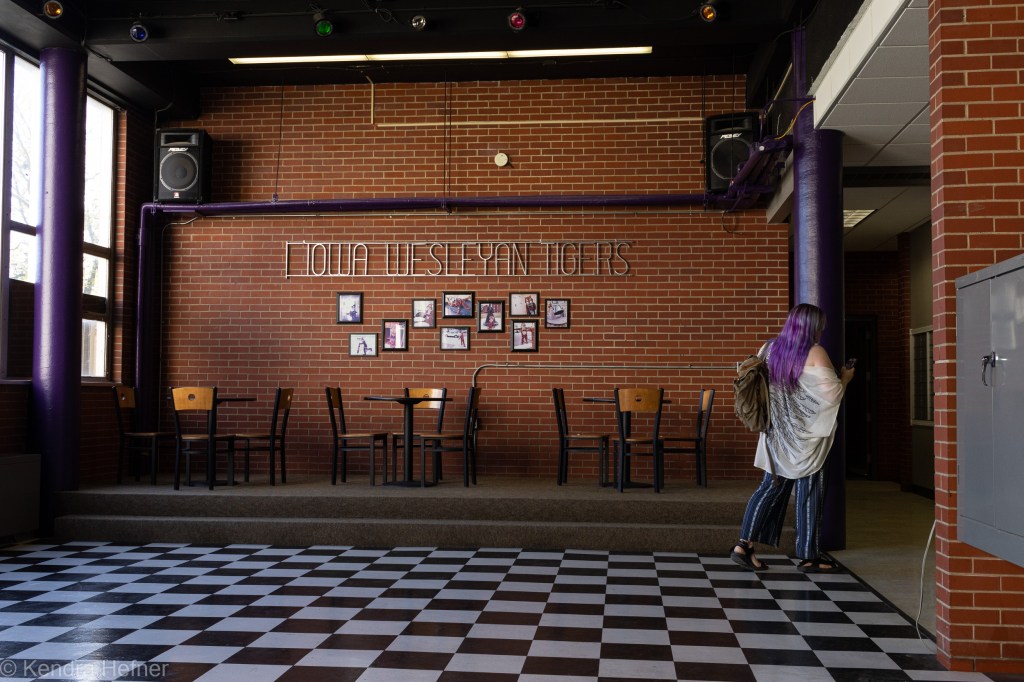
To date, we don’t really have answers of what will become of the historic campus; its ties to American history through the Harlan and Lincoln families suggest a push for preservation, but it’s not clear. Everything had been looking up, academic programs were being revamped, most of our athletic teams were doing better than they had in decades — including women’s wrestling recently having a team member win bronze in an international championship — and as members of the NAIA, there was excitement for the future among the students, faculty, and staff.
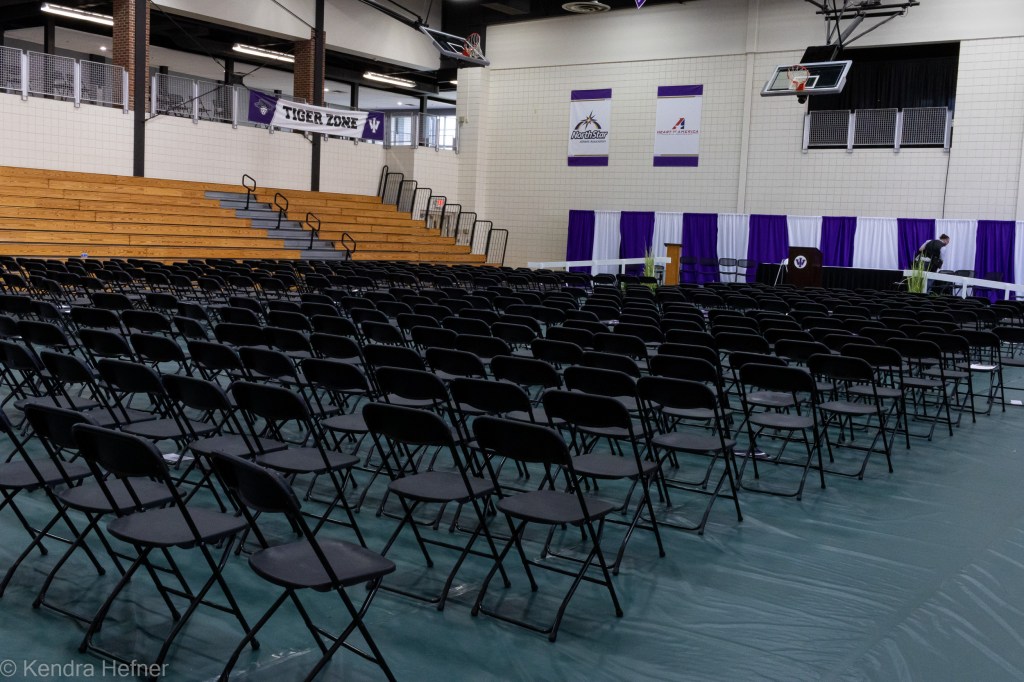
The hammer hit hardest during the 9:30 student meeting as hundreds of students flooded the Chapel Auditorium, facing a stage with a single row of empty chairs. There was an air of knowing as, once again, the board members and cabinet walked out single file. Several students were already crying before President Christine Plunkett could finish her statement: “It is with deep sadness that we announce the Board of Trustees has made the heartbreaking decision to close our beloved Iowa Wesleyan after 181 years as an educational pillar in this community.”

IW is the most diverse campus in the state, hosting students from over 40 countries, and with a domestic population primarily coming from low-income families, over 50% of the domestic student body is first gen. As an institution, we understood thoroughly who we were serving and had the support in place to help them succeed. IW was an opportunity for many students who may not have found an inclusive community elsewhere.
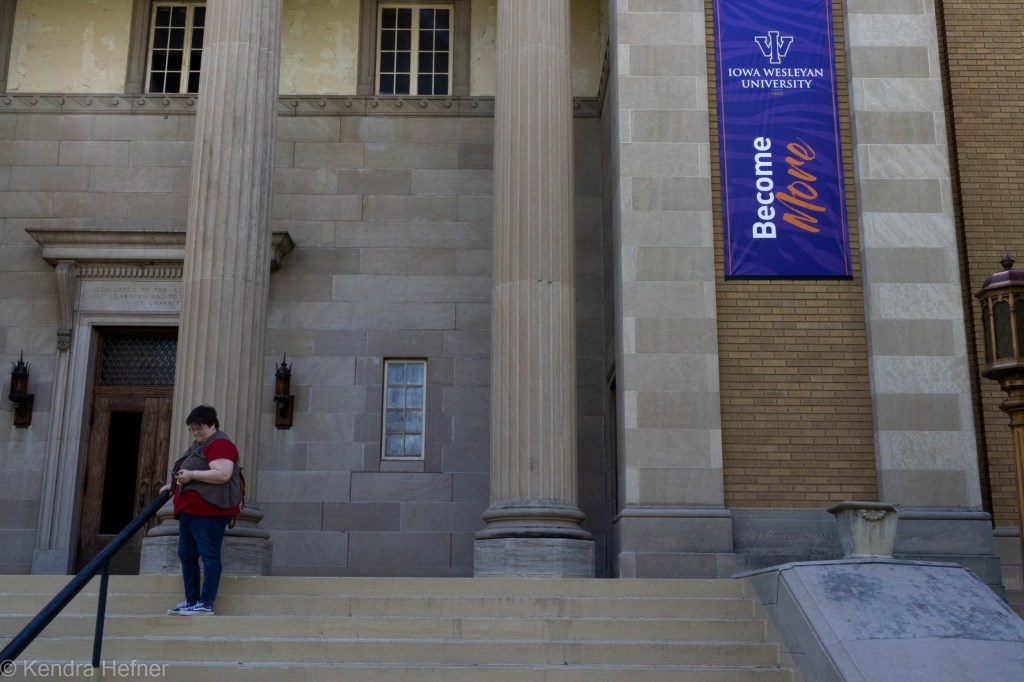
IW is just one of several private higher education institutions closing with the end of the 2022-2023 academic year, a trend that is likely to continue with the increased pressures of inflation, decreased enrollment trends, and continued struggles with rebounding from Covid-19. Unfortunately, it seems to go unexamined and unquestioned as more and more people question the value of college and the credibility of education.
 Kendra Gauge